

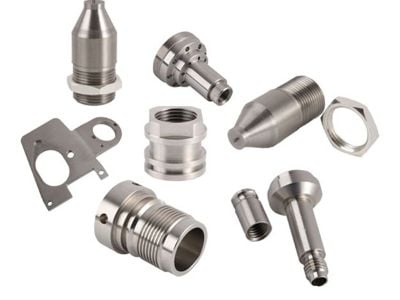
Scaling from prototype to mass production with high-precision CNC machining requires careful planning and execution. As a B2B buyer, you may have concerns about selecting the right production methods, ensuring quality, managing costs, and addressing potential issues during the manufacturing process. This article will guide you through the critical factors involved, helping you make informed decisions and streamline your transition from prototypes to large-scale production
How to Choose High-Precision CNC Machining for Your Production Needs
When selecting a high-precision CNC machining precision parts service, consider several key factors to ensure it meets your production needs. First, assess the specific tolerances required for your components. High-precision CNC machining can achieve tolerances as tight as ±0.001 inches, which is crucial for applications that demand exacting specifications, such as in aerospace or medical devices
Next, evaluate the materials your components will require. Different materials, from aluminum to titanium, have unique properties affecting machinability, strength, and cost. Discuss these requirements with your CNC machining partner to ensure they have the capability to work with your desired materials
Additionally, consider the complexity of your designs. CNC machining excels at producing intricate shapes and designs, but manufacturing limitations may apply based on tool size and machine capabilities. Providing detailed technical drawings can help your supplier assess the feasibility of your project
Lastly, inquire about customization capabilities. Many CNC machining services, including those at Hongfa Shunda Mold Co., Ltd., offer customization options that can enhance product functionality while meeting your specific requirements
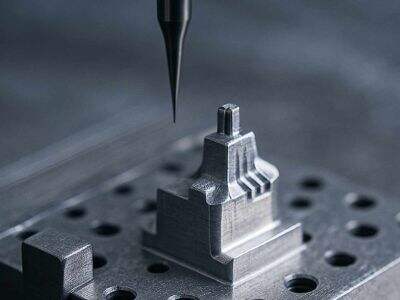
Understanding Cost Factors in High-Precision CNC Machining Projects
Understanding the cost factors in high-precision CNC machining projects is vital for effective budgeting and procurement. Key cost elements include
Material Costs: The choice of material significantly impacts overall costs. High-performance materials usually come at a premium, but they may offer superior durability and performance
Machining Time: The complexity of your components directly correlates to machining time. More intricate designs require longer production times, increasing labor costs. Discussing design simplifications without compromising functionality can help reduce costs
Setup Costs: Each CNC machining setup incurs fixed costs. For smaller production runs, these costs can be disproportionately high. Understanding your Minimum Order Quantity (MOQ) can help you plan your production runs more economically
Finishing Processes: Additional processes such as anodizing, coating, or polishing add to the overall cost. Clarifying these needs upfront can help you budget accurately
Quality Control: Implementing a robust quality control process is essential but may incur extra costs. Ensure that your supplier has a clear quality assurance plan to mitigate defects and ensure compliance with industry standards
Common Problems in CNC Machining and Their Effective Solutions
CNC machining services CNC can present various challenges that may affect production quality and timelines. Here are some common problems and their solutions
Tool Wear: High-speed machining can lead to quick tool wear, impacting precision. Regularly monitoring tool condition and implementing a preventive maintenance schedule can prolong tool life and maintain accuracy
Material Deformation: Some materials may deform during machining due to heat or stress. Employing proper cooling techniques and selecting suitable machining parameters can alleviate this issue
Dimensional Tolerances: Achieving tight tolerances can sometimes be problematic. Conducting thorough pre-production testing with sample runs can help identify potential issues before full-scale production begins
Surface Finish Issues: Inadequate surface finishes can lead to component performance problems. Discussing surface finish requirements upfront with your supplier ensures alignment with your application needs
Supply Chain Delays: Delays in material supply can disrupt production schedules. Establishing strong relationships with reliable suppliers and having contingency plans can minimize risks
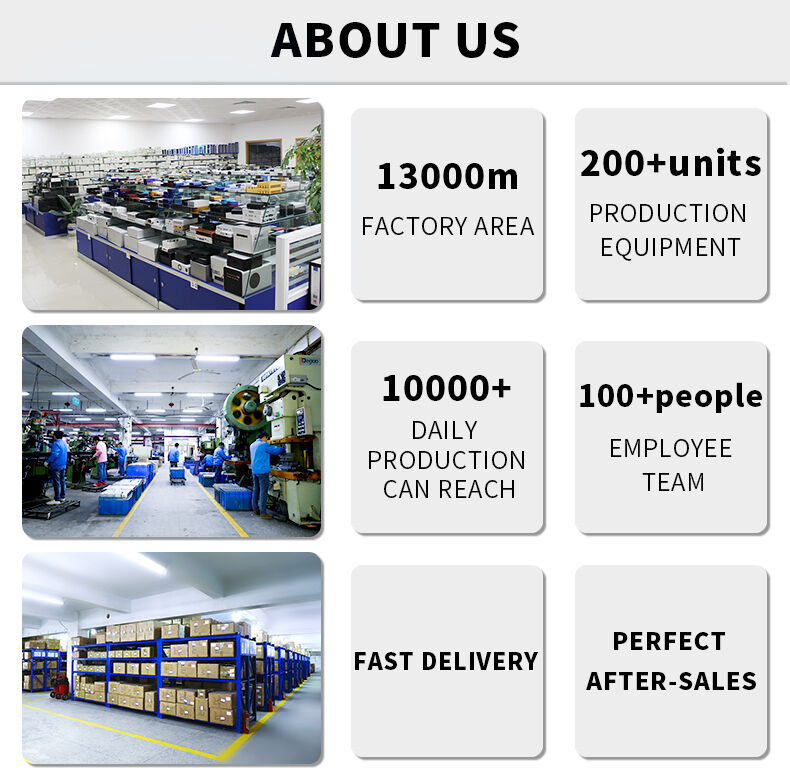
What to Look For
When evaluating potential CNC machining suppliers, consider the following criteria to ensure you choose the right partner
Experience and Expertise: Look for suppliers with a proven track record in your industry. Their experience with similar projects can provide valuable insights and reduce risks
Manufacturing Capabilities: Assess the range of capabilities offered, including types of CNC machines, machining processes, and material handling. This ensures your supplier can meet diverse production needs
Quality Assurance Processes: A robust quality management system is crucial. Inquire about certifications, inspection methods, and testing protocols to ensure adherence to your quality standards
Customization Options: Determine the level of customization available. A supplier capable of offering tailored solutions can help you optimize product design and functionality
Customer Support and Communication: Strong communication throughout the production process is vital. Choose a supplier that values customer feedback and provides timely updates on project status
Wholesale Purchasing Strategies for CNC Machined Components
When planning for wholesale purchasing of CNC machined components, several strategies can enhance your procurement process
Bulk Order Discounts: Many suppliers offer discounts for bulk orders. Understanding your production needs and ordering in larger quantities can lead to significant cost savings
Long-Term Contracts: Establishing long-term contracts can secure favorable pricing and ensure consistent supply. This is particularly beneficial for ongoing projects requiring regular component deliveries
Supplier Relationships: Building strong relationships with suppliers can lead to better service, priority during peak times, and increased flexibility in production schedules. Regular communication and transparency foster trust
Technical Specifications: Clearly document all technical specifications, including tolerances, materials, and finishes, when placing orders. This helps prevent misunderstandings and ensures that the final product meets your expectations
Lead Time Management: Discuss lead times upfront and factor them into your project timelines. Being proactive about scheduling can prevent delays and ensure timely delivery of components
By implementing these strategies, you can streamline your purchasing process, ensure quality, and achieve cost-effective outcomes in your precision CNC machining parts projects