

Smart Housing Trends for Sustainable IoT Solutions
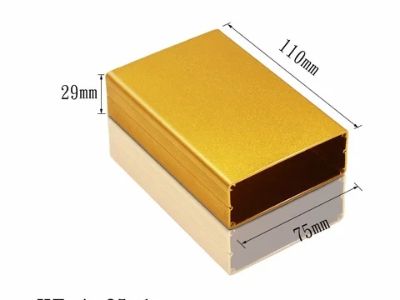
Smart housing is changing the way people live, and the demand for smart housing continues to grow as technology becomes more advanced. In 2026, homeowners and businesses are looking for smart housing solutions that improve comfort, reduce energy use, and support sustainable living. At the same time, IoT devices are becoming more intelligent, allowing homes to automate lighting, security, heating, cooling, and energy management with ease. Hongfa Shunda supports this transformation by providing reliable enclosures and solutions that help protect electronic systems used in modern smart housing applications. Sustainability is another major focus in today's construction industry. Builders are choosing environmentally friendly materials, while designers are integrating IoT devices into homes from the beginning of every project. As a result, smart housing combines advanced technology with energy-efficient construction to create homes that are comfortable, safe, and environmentally responsible. Understanding these trends can help homeowners, developers, and manufacturers prepare for the future of connected living.
How Smart Housing Improves IoT Device Performance?
The success of smart housing depends on how well IoT devices work together. Modern home designs include dedicated spaces for sensors, communication equipment, electrical wiring, and smart control systems. This organized layout allows every connected device to operate more efficiently while reducing maintenance requirements. A well-designed smart housing system allows lights to switch on automatically when someone enters a room. Smart thermostats adjust indoor temperatures based on daily routines, while intelligent security systems monitor entrances around the clock. Because every device communicates through the same network, homeowners can manage multiple systems from a smartphone or tablet.
Energy efficiency is another important advantage of smart housing. Smart lighting turns off automatically when rooms are empty, reducing unnecessary electricity consumption. Smart windows can respond to changing temperatures by adjusting ventilation or window shading. Water management systems detect leaks early and notify homeowners before serious damage occurs. These connected IoT devices work together to lower utility costs while improving everyday convenience. Security is also stronger in modern aluminum housing. Smart cameras, motion detectors, electronic locks, and alarm systems provide real-time monitoring whether homeowners are inside the house or traveling. Since all IoT devices are connected, users receive instant notifications whenever unusual activity is detected. Hongfa Shunda supports these systems by providing durable enclosures that protect sensitive electronics from dust, moisture, and environmental conditions.
Smart Housing Design Trends for 2026
Several trends are shaping the future of smart housing during 2026. Sustainable construction materials remain one of the biggest developments. Builders increasingly use recycled metals, bamboo, reclaimed wood, and environmentally friendly insulation to reduce environmental impact while maintaining structural durability. Solar energy continues to play an important role in smart housing. Solar panels combined with battery storage systems provide reliable electricity for household IoT devices throughout the day and night. This reduces dependence on traditional power grids while lowering electricity expenses. Artificial intelligence is becoming a standard feature in smart housing. Intelligent software studies homeowner habits and automatically adjusts lighting, temperature, ventilation, and appliance operation. Instead of requiring manual control, IoT devices learn daily routines and improve efficiency over time. Smart sensors are another growing trend. Occupancy sensors detect whether rooms are in use, while environmental sensors monitor humidity, indoor air quality, smoke, and carbon dioxide levels. These extruded aluminum housing help create healthier indoor environments while reducing unnecessary energy consumption. Community-focused technology is also becoming more common. Modern residential developments include shared charging stations, intelligent parking systems, public Wi-Fi, smart street lighting, and connected recreational areas. These innovations expand the benefits of smart housing beyond individual homes into entire neighborhoods.
Choosing Sustainable Materials for IoT Projects
Selecting sustainable materials is essential when designing products for smart housing and IoT devices. Engineers should prioritize recyclable materials that reduce environmental impact without sacrificing durability or performance. Aluminum is one of the most popular materials because it is lightweight, corrosion resistant, and highly recyclable. Stainless steel provides exceptional strength and performs well in demanding environments. Recycled plastics also help reduce waste while maintaining excellent performance for many electronic applications. Durability is equally important. Long-lasting materials reduce replacement frequency, minimize waste, and lower maintenance costs throughout the product lifecycle. High-quality enclosures protect sensitive IoT devices from physical damage, moisture, dust, vibration, and temperature fluctuations. Manufacturing methods should also support sustainability. Companies that reduce emissions, recycle production materials, and improve energy efficiency contribute to greener smart housing solutions. Hongfa Shunda continues to focus on responsible manufacturing practices while delivering reliable enclosures for connected electronic equipment. Product recycling should also be considered during the design stage. Materials that can be reused after product life helps reduce landfill waste and supports long-term environmental sustainability.
What Wholesale Buyers Should Consider?
Wholesale buyers searching for products used in smart housing should evaluate several important factors before making purchasing decisions. Material quality remains one of the highest priorities because durable enclosures provide better protection for sensitive IoT devices. Energy efficiency should also be carefully evaluated. Products that consume less electricity help reduce operating costs while supporting sustainability goals. Buyers often look for recognized certifications that demonstrate environmental responsibility and product performance. Manufacturing standards are equally important. Reliable suppliers follow strict quality control procedures and maintain consistent production standards. Hongfa Shunda provides dependable manufacturing capabilities, customized solutions, and professional support for customers worldwide. Customization is another important consideration. Different smart housing projects require different enclosure sizes, mounting methods, ventilation options, and protection levels. Suppliers capable of producing customized products offer greater flexibility for various applications. Long product lifespan also provides significant value. Durable products reduce maintenance costs and replacement frequency, making them more economical for large-scale installations involving numerous IoT devices.
Why Sustainable IoT Solutions Continue to Grow?
Demand for sustainable smart housing continues to increase because homeowners, businesses, and governments all recognize the importance of environmental protection. Rising energy costs encourage consumers to invest in efficient IoT devices that reduce electricity consumption while improving comfort. Government regulations also encourage sustainable construction and energy-efficient technologies. Many countries now promote green building standards and provide incentives for environmentally friendly projects, accelerating the adoption of smart housing. Consumer expectations continue to evolve as well. Modern buyers increasingly prefer products manufactured using sustainable materials and responsible production methods. Businesses that demonstrate environmental responsibility often gain stronger customer trust and improved market competitiveness. Technological innovation further drives demand. New generations of IoT devices deliver better performance, stronger security, faster communication, and greater automation than previous models. These improvements make aluminum housing enclosure more practical and attractive for residential, commercial, and industrial applications. As connected technologies continue to develop, smart housing will become even more intelligent, energy efficient, and environmentally responsible. With durable manufacturing expertise and dependable enclosure solutions, Hongfa Shunda remains committed to supporting the future of sustainable smart housing and advanced IoT devices.