

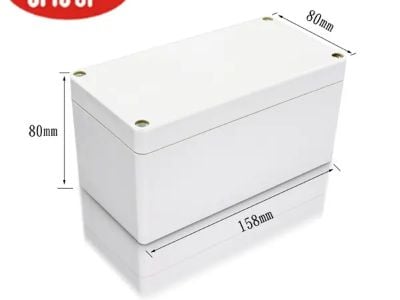
Designing rugged enclosures for smart self-service terminals in public spaces requires a careful balance of durability, functionality, and aesthetics. As public spaces increasingly adopt smart technology, the need for robust and weather-resistant enclosures becomes paramount. B2B buyers, including purchasing managers and engineers, often prioritize material selection, quality control, and installation considerations to ensure these outdoor waterproof electrical enclosure withstand the challenges of outdoor environments. This article aims to provide insights into designing rugged enclosures, addressing key concerns and practical considerations for successful procurement.
Choosing the Right Materials for Rugged Enclosures in Terminals
Selecting the appropriate materials for rugged enclosures is critical to ensuring the longevity and functionality of smart self-service terminals. Common materials include aluminum, stainless steel, and high-density polyethylene (HDPE), each offering unique benefits.
Aluminum: Lightweight and resistant to corrosion, aluminum is ideal for enclosures exposed to the elements. Its strength-to-weight ratio allows for sturdy designs without excessive weight, ensuring easy installation and maintenance.
Stainless Steel: Known for its durability and resistance to harsh conditions, stainless steel is commonly used in high-traffic areas. Its ability to withstand impact and environmental wear makes it suitable for terminals located in public spaces.
High-Density Polyethylene (HDPE): This plastic material is highly resistant to chemicals and UV radiation, making it suitable for outdoor enclosures. HDPE is also lightweight and can be molded into various shapes, allowing for innovative designs.
When choosing materials, consider factors such as thermal insulation, moisture resistance, and the enclosure's intended use. The final selection should align with the specific environmental conditions the terminal will face.
Sourcing Rugged Enclosures for Public Use
Sourcing rugged enclosures involves assessing suppliers on various criteria, including material quality, production capabilities, and customization options. When evaluating potential suppliers, B2B buyers should consider:
Quality Control: Ensure the manufacturer has stringent quality control processes in place. This might include certifications for ISO standards or other relevant industry benchmarks.
Customization Capabilities: Many projects require specific dimensions and features tailored to unique applications. Suppliers should offer customization options without significantly increasing lead times.
Lead Times and Minimum Order Quantities (MOQ): Understand the supplier's production capacity and typical lead times. This is particularly important for projects with tight deadlines or bulk orders.
Experience and Reputation: Look for manufacturers with a proven track record in producing rugged enclosures. Customer testimonials and case studies can provide insights into their reliability and product performance.
By carefully evaluating these criteria, buyers can secure high-quality enclosures that meet their specifications and withstand the rigors of public use.
Installation Guidance for Smart Self-Service Terminal Enclosures
Proper installation of rugged enclosures is essential for ensuring functionality and longevity. Here are some key considerations:
Site Preparation: Prior to installation, assess the installation site for environmental factors such as wind load, potential flooding, and accessibility. This will inform the design and anchoring methods.
Anchoring and Stability: Depending on the material and size of the enclosure, appropriate anchoring methods should be used to ensure stability. Heavy-duty brackets and anchors may be necessary for larger units to withstand strong winds and potential vandalism.
Sealing and Protection: Ensure that all seams and openings are properly sealed to prevent moisture ingress. This is particularly important for electronic components housed within the enclosure.
Accessibility for Maintenance: Design the installation to allow easy access for maintenance and servicing. This might involve planning for removable panels or easy-to-open doors.
By following these plastic outdoor enclosure installation guidelines, B2B buyers can enhance the performance and reliability of their smart self-service terminals.
Common Problems and Solutions for Rugged Enclosure Applications
Even with careful planning, issues can arise during the lifecycle of rugged enclosures. Common problems include:
Corrosion: In environments with high humidity or exposure to saltwater, corrosion can compromise enclosure integrity. Solution: Use powder-coated aluminum or stainless steel with corrosion-resistant finishes.
Thermal Management: Terminals exposed to extreme temperatures may experience overheating or condensation. Solution: Incorporate ventilation or thermal insulation into the design to manage temperature fluctuations effectively.
Vandalism and Damage: Public spaces face the risk of vandalism, which can damage enclosures. Solution: Utilize impact-resistant materials and consider additional protective features, such as anti-graffiti coatings or reinforced glass.
By understanding these common problems, buyers can proactively seek solutions that enhance the durability and functionality of rugged enclosures.
Specifications to Consider When Designing Rugged Enclosures
When designing rugged enclosures, several specifications must be carefully considered to ensure optimal performance. These include:
IP Rating: The Ingress Protection (IP) rating indicates the enclosure's level of protection against dust and moisture. A higher IP rating (eg., IP65 or IP68) is preferable for outdoor applications.
Impact Resistance: Evaluate the enclosure’s ability to withstand impacts, especially in high-traffic areas. Look for materials that meet relevant industry standards for impact resistance.
Thermal Performance: Confirm that the enclosure can withstand the temperature ranges expected in its environment. This may involve checking thermal conductivity and insulation properties.
Weight and Dimensions: Ensure that the design meets weight specifications for ease of installation and transportation. The dimensions should accommodate the electronic components and allow for necessary airflow.
Aesthetics: While functionality is key, consider how the enclosure will fit into its environment. Custom finishes and colors can enhance the visual appeal without compromising durability.
By carefully evaluating these specifications, buyers can ensure that their rugged waterproof electrical enclosure are not only functional but also suited to their specific applications and environments.