

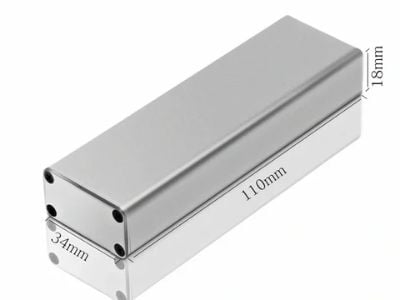
Custom die casting aluminum cases are essential for protecting industrial devices from environmental hazards and mechanical impacts. These cases provide a robust solution for various applications, ensuring that electronic and mechanical components remain safe and operational. As a purchaser, understanding the significance of custom aluminum cases is critical, as they can impact product longevity and performance. This article will explore why custom die casting aluminum cases are vital for industrial device protection, addressing specifications, sourcing options, common issues, installation guidance, and applications across diverse sectors.
Key Specifications for High-Quality Aluminum Cases in Manufacturing
When selecting aluminum cases, certain specifications must be prioritized to ensure optimal performance. Key specifications include:
Material Composition: The aluminum alloy's grade affects strength, weight, and corrosion resistance. Alloys such as 6061 and 6063 are popular due to their balance of strength and workability.
Dimensions and Tolerances: Precise dimensions are crucial for ensuring that the case fits the intended application. Tolerances should be specified clearly, as even minor deviations can affect the assembly and performance of internal components.
Thickness: The thickness of the aluminum casing influences its durability and weight. A thicker case can provide better protection but may also increase the overall weight, which needs to be balanced according to the application requirements.
Sealing and Gasket Options: Effective sealing mechanisms are vital for protecting internal components from moisture, dust, and other contaminants. Buyers should specify sealing requirements based on environmental conditions.
Surface Treatment: Anodizing or powder coating can enhance corrosion resistance and improve aesthetics. Buyers should consider which surface treatment aligns with their operational environment and aesthetic preferences.
Understanding these specifications is essential for ensuring that the heat sink aluminum cases will meet the demands of its intended use, enhancing device reliability and longevity.
Where to Source Reliable Suppliers for Aluminum Die Casting Cases?
Finding reliable suppliers for custom die casting aluminum cases is crucial for ensuring quality and consistency in manufacturing. Here are some strategies for sourcing:
Industry Directories: Utilize specialized industry directories and platforms that list manufacturers with expertise in aluminum die casting. Websites like ThomasNet and Maker's Row can provide valuable leads.
Trade Shows and Expos: Attending industry trade shows allows buyers to meet suppliers, view products firsthand, and inquire about customization capabilities. Events focused on manufacturing and industrial applications can be particularly beneficial.
Recommendations and Reviews: Seek recommendations from industry peers or consult online reviews to find suppliers with a proven track record in quality and service.
Certifications: Prioritize suppliers who hold relevant certifications, such as ISO 9001, which indicate a commitment to quality management systems. This can provide assurance regarding the supplier's manufacturing practices.
Sample Orders: Before committing to a significant order, request samples to evaluate the quality of the box aluminum case enclosure. This step ensures that the supplier can meet your specifications and quality expectations.
By employing these strategies, buyers can effectively identify and select suppliers that align with their requirements for custom aluminum cases.
Common Problems with Aluminum Cases and Effective Solutions
While aluminum cases are robust, common issues can arise during their use. Here are some typical problems and their solutions:
Corrosion: Aluminum can corrode under certain conditions, leading to performance degradation. To mitigate this, specify appropriate surface treatments like anodizing, which enhances corrosion resistance.
Thermal Expansion: Aluminum expands with temperature changes, which can affect the fit of internal components. Design considerations should account for thermal expansion, including proper tolerances and materials that can accommodate movement.
Dents and Scratches: Aluminum cases can be prone to physical damage. To reduce the risk, consider integrating protective features like bumpers or selecting thicker materials for high-impact applications.
Seal Failures: Ineffective seals can lead to moisture and dust ingress. Regular inspections and selecting high-quality sealing materials are essential to ensure long-term protection.
Weight Concerns: In applications requiring mobility, the weight of aluminum extrusion enclosure can be a concern. Buyers should balance the need for protection with weight considerations, potentially opting for lighter alloys or designs that minimize material usage while maintaining strength.
Understanding these potential issues allows buyers to make informed decisions and work with suppliers to address specific concerns related to their applications.
Installation Guidance for Custom Die Casting Aluminum Cases
Proper installation of custom die casting aluminum cases is vital to ensure functionality and protection. Here are key installation considerations:
Alignment: Ensure that all components are aligned correctly within the case. Misalignment can lead to operational issues or damage to sensitive parts.
Fastening: Use appropriate fasteners that match the material and structural requirements of the aluminum case. Stainless steel or aluminum fasteners can prevent corrosion and ensure secure assembly.
Sealing: Apply seals or gaskets as specified to maintain the integrity of the case. Ensure that surfaces are clean and free from debris during installation to guarantee an effective seal.
Testing: Conduct performance tests after installation, especially if the case will be exposed to harsh conditions. This step confirms that the installation has been successful and that the case provides the necessary protection.
Documentation: Keep a record of installation procedures and specifications for future reference. This documentation can be crucial for maintenance and troubleshooting.
Following these guidelines will help ensure that aluminum cases perform effectively in protecting industrial devices.
Applications of Custom Aluminum Cases in Various Industrial Sectors
Custom aluminum cases find diverse applications across multiple industrial sectors. Here are some notable examples:
Electronics: In the electronics industry, aluminum cases are used to protect sensitive components from electromagnetic interference (EMI) and physical damage, ensuring device reliability.
Automotive: Aluminum cases house critical automotive electronics, such as ECU units, protecting them from heat and vibration while also contributing to overall vehicle weight reduction.
Medical Devices: In the medical sector, custom aluminum cases safeguard sensitive instruments and devices, ensuring they remain sterile and operational in various settings, from hospitals to field operations.
Aerospace: In aerospace applications, aluminum cases are utilized for their lightweight yet durable properties, protecting instruments and components from extreme temperatures and pressure changes.
Telecommunications: Aluminum cases protect telecommunications equipment from environmental factors, ensuring reliable performance in outdoor installations.
Understanding the specific needs of each application allows buyers to choose the right specifications and features for their custom aluminum cases, ensuring optimal protection and functionality. By considering these factors, buyers can make well-informed decisions when sourcing and installing custom die casting aluminum cases, ultimately enhancing the protection of their industrial devices.
Table of Contents
- Key Specifications for High-Quality Aluminum Cases in Manufacturing
- Where to Source Reliable Suppliers for Aluminum Die Casting Cases?
- Common Problems with Aluminum Cases and Effective Solutions
- Installation Guidance for Custom Die Casting Aluminum Cases
- Applications of Custom Aluminum Cases in Various Industrial Sectors