

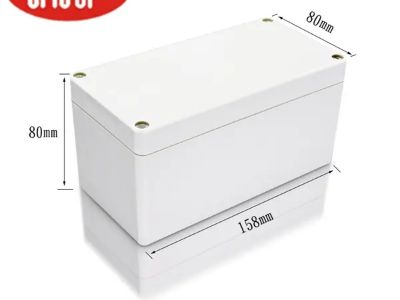
Optimizing thermal management in power electronics with custom extruded aluminum enclosures is essential for enhancing performance and reliability. In various applications, effective thermal management can influence the lifespan and efficiency of electronic components. Buyers in the B2B sector, such as purchasing managers and product engineers, often seek solutions that not only meet specific thermal requirements but also align with their production and budget constraints. This article aims to provide in-depth insights into selecting the right extruded aluminum electronics enclosure, evaluating their quality, and understanding best practices for thermal management.
Key Specifications for Aluminum Enclosures
When considering custom extruded aluminum enclosures, key specifications must be evaluated to ensure optimal thermal performance and durability.
Material Composition: Aluminum alloys, typically 6061 or 6063, are favored for their strength-to-weight ratio and excellent thermal conductivity. Selecting the right alloy ensures the enclosure can withstand environmental stresses while effectively dissipating heat generated by electronic components.
Thickness and Dimensions: The thickness of the enclosure walls significantly impacts thermal conductivity and structural integrity. Thicker walls can improve durability but may also increase weight and cost. It’s important to balance these factors based on the specific application requirements.
Cooling Features: Integrating fins or heat sinks into the design enhances airflow and improves heat dissipation. The arrangement and size of these features depend on the expected heat load and ambient conditions.
Sealing and Protection: Depending on the application, enclosures may require sealing against moisture, dust, or chemicals. Ratings such as IP67 or NEMA 4X provide guidelines for environmental protection.
Surface Treatment: Anodizing or powder coating not only protects against corrosion but can also enhance thermal performance by improving heat dissipation and aesthetics.
How to Choose the Right Custom Extruded Aluminum Enclosure for Your Needs?
Selecting the right custom extruded aluminum enclosure involves several considerations:
Application Requirements: Define the operational environment and specific thermal management needs. Understanding the heat generated by the electronic components will guide the design and material selection.
Customization Capabilities: Work with manufacturers that offer flexible design options, allowing for modifications in dimensions, cooling features, and surface treatments to meet unique specifications.
Production Volume and Lead Time: Assess your production needs. Some manufacturers, like Hongfa Shunda Mold Co., Ltd., utilize semi-automated processes that can accommodate varying order sizes efficiently. Discussing Minimum Order Quantities (MOQ) and lead times upfront is crucial.
Cost Considerations: Evaluate the total cost of ownership, which includes initial costs, production efficiency, and long-term reliability. Cheaper options may lead to higher maintenance costs if they do not perform adequately.
Supplier Evaluation: Research suppliers’ experience and capabilities. A supplier with robust quality control and a history of serving diverse industries can provide better assurance of product performance.
Evaluating the Quality of Custom Extruded Aluminum Enclosures
Quality evaluation is critical to ensuring the enclosures will perform as expected:
Material and Workmanship Inspection: Verify that the aluminum used meets specified alloy standards. Inspect for defects such as cracks or surface irregularities that could compromise performance.
Dimensional Accuracy: Check that the dimensions adhere to technical drawings. Misalignment can affect assembly and heat management.
Thermal and Environmental Testing: Consider performing thermal conductivity tests and environmental resistance assessments to ensure that the enclosure meets operational requirements.
Certification Validation: Ensure that the extruded aluminium enclosure comply with relevant industry standards and certifications, which may include ISO quality standards or specific environmental ratings.
Sample Approval: Before mass production, request a sample to test under actual operational conditions. This step can reveal potential issues not apparent in initial designs.
Best Practices
To optimize thermal management with aluminum enclosures, consider these best practices:
Design for Heat Dissipation: Incorporate features that maximize surface area for heat dissipation, such as fins or vents, while maintaining structural integrity.
Regular Maintenance: Establish a maintenance routine for inspecting the enclosure and ensuring that it remains free of dust and debris that could impair cooling.
Feedback Loop with Manufacturers: Maintain open communication with your supplier regarding performance metrics and potential improvements based on real-world usage.
Use of Thermal Interface Materials (TIMs): Implement TIMs between the electronic components and the enclosure to enhance thermal conduction and minimize thermal resistance.
Prototype Testing: Utilize prototypes to evaluate thermal performance in real-world scenarios before committing to large-scale production.
Common Problems in Thermal Management and Solutions with Aluminum Enclosures
Several common challenges arise in thermal management, but many can be mitigated with the right aluminum enclosure solutions:
Heat Accumulation: Inadequate heat dissipation can lead to overheating. Utilizing an enclosure with enhanced cooling features, such as integrated heat sinks or ventilated panels, can alleviate this issue.
Material Degradation: Exposure to harsh environments can lead to corrosion or material failure. Selecting appropriate alloys and surface treatments can prevent premature degradation.
Inconsistent Performance: Poor manufacturing quality can lead to variances in heat management. Ensuring a reliable supplier with stringent quality control processes is crucial.
Installation Challenges: Misalignment during assembly can lead to thermal issues. Providing clear technical drawings and specifications can help minimize installation errors.
Lifecycle Management: Consider the long-term operational needs, including maintenance and potential upgrades. A modular design can facilitate easier maintenance and adaptability over time.
In summary, optimizing thermal management in power electronics through extruded aluminum enclosures requires careful consideration of specifications, quality assessment, and best practices. By understanding the unique requirements of your application and collaborating with experienced manufacturers, like Hongfa Shunda Mold Co., Ltd., you can enhance the performance and reliability of your electronic systems.