

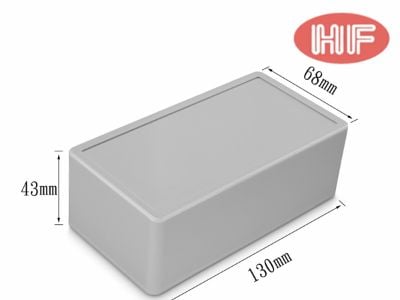
Meeting strict hygiene standards with precision sheet metal for medical enclosures is crucial for manufacturers in the healthcare sector. As these waterproof electrical enclosure protect sensitive medical equipment and devices, they must comply with stringent regulations while ensuring durability and functionality. B2B buyers, including purchasing managers and engineers, often seek reliable suppliers who can meet these specifications without compromising on quality. This article will provide insights into critical quality standards, supplier selection, key specifications, purchasing tips, and common installation challenges associated with precision sheet metal products in medical applications.
Meeting Quality Standards in Precision Sheet Metal Applications
Quality standards for precision sheet metal applications in the medical field are governed by regulations such as ISO 13485, which focuses on quality management systems for medical devices. Compliance with these standards ensures that products are consistently manufactured to meet customer and regulatory requirements. Buyers should verify that their suppliers have robust quality control processes in place, including material inspection, in-process checks, and final product testing.
Another important quality metric is the precision of the sheet metal fabrication process. Tolerances in dimensions and surface finishes must align with the specific application requirements. For instance, metal enclosure electronic that house electronic medical devices may require tighter tolerances to ensure proper fitting and functionality. Buyers should request documentation that details the manufacturing processes and quality assurance protocols to ensure adherence to these standards.
How to Choose Reliable Suppliers for Medical Enclosures?
Choosing a reliable supplier for medical enclosures involves evaluating several key factors. First, assess the supplier’s experience in the medical industry. A supplier like Hongfa Shunda Mold Co., Ltd., established in 1997, brings valuable insights into mold design and production, particularly in high-stakes sectors like healthcare.
Next, consider the supplier's certifications and compliance with industry standards. Look for ISO certifications, particularly ISO 13485, which indicates a commitment to quality management in medical device manufacturing. Additionally, inquire about the supplier’s manufacturing capabilities, including their use of semi-automated production and in-house development centers. This can enhance customization options and ensure efficient production timelines.
Lastly, request references or case studies from the supplier's previous projects. This will help gauge their reliability and ability to meet specific client needs. Engaging with suppliers who have proven experience can mitigate risks associated with product quality and delivery timelines.
Key Specifications for Medical Precision Sheet Metal Products
When selecting precision sheet metal products for medical enclosures, several specifications should be prioritized. Key specifications include:
Material Type: Common materials for medical enclosures include stainless steel and aluminum due to their corrosion resistance and ease of sterilization. Buyers should specify the desired material based on the enclosure's intended use and environmental exposure.
Thickness and Dimensions: The thickness of the sheet metal affects the strength and durability of the sheet metal enclosure. Buyers should determine the required thickness based on the application’s mechanical demands, while dimensions must be tailored to fit the medical devices housed within.
Surface Finish: The surface treatment is crucial for hygiene compliance. Options such as anodizing or passivation can enhance corrosion resistance and make cleaning easier. Buyers must consider which finish is most suitable for their application.
Sealing and Assembly Methods: Depending on the enclosure's design, sealing methods (like welding or mechanical fastening) impact both durability and hygiene. Buyers should clarify these methods to ensure they align with their usability and maintenance requirements.
Wholesale Purchasing Tips for Medical Enclosure Materials
When purchasing medical enclosure materials in wholesale quantities, buyers should keep several factors in mind:
Minimum Order Quantities (MOQ): Suppliers often have MOQ requirements that can affect pricing and inventory management. Understanding these can help buyers negotiate better terms and ensure that they have sufficient stock to meet demand without overcommitting resources.
Pricing Structure: Be aware that pricing can vary significantly based on material choice, complexity of design, and order volume. Request detailed quotations that break down costs to facilitate effective budget planning.
Lead Times: Establishing clear expectations regarding lead times is essential, especially in the medical sector where timely delivery is critical. Ask suppliers about their production schedules and any potential delays due to material sourcing or manufacturing constraints.
Samples and Prototypes: Before committing to a large order, request samples or prototypes to verify that the specifications meet your requirements. This step is crucial in identifying any issues before mass production begins.
Common Installation Challenges with Medical Enclosures and Solutions
Installing medical enclosures can present several challenges, particularly in ensuring compliance with hygiene and safety standards. Common issues include:
Alignment and Fit: Enclosures that do not align properly with medical equipment can hinder functionality. To mitigate this, ensure that precise measurements are taken during the design phase, and utilize jigs or fixtures during installation to maintain accuracy.
Access Points for Maintenance: Properly designed access points are essential for maintenance and cleaning. Buyers should discuss design requirements with their suppliers to ensure that these features are integrated into the enclosure design.
Environmental Conditions: Medical enclosures may need to withstand specific environmental conditions, such as humidity or exposure to cleaning agents. Buyers should confirm that the materials and finishes used are suitable for the intended operating environment.
Training for Installation: Providing training for staff involved in the installation can minimize errors and enhance compliance with safety standards. Suppliers can often provide guidance or training materials that assist in this process.
Meeting strict hygiene standards with precision sheet metal for medical enclosures requires a thorough understanding of quality specifications, supplier reliability, and installation challenges. By prioritizing these elements, B2B buyers can safeguard their investments and ensure that their medical devices are protected effectively.
Table of Contents
- Meeting Quality Standards in Precision Sheet Metal Applications
- How to Choose Reliable Suppliers for Medical Enclosures?
- Key Specifications for Medical Precision Sheet Metal Products
- Wholesale Purchasing Tips for Medical Enclosure Materials
- Common Installation Challenges with Medical Enclosures and Solutions