

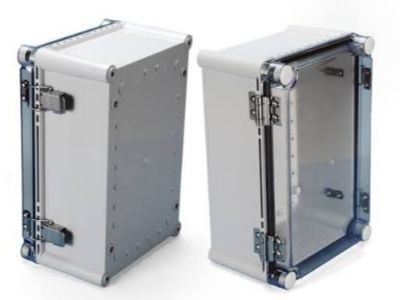
Choosing the right enclosure for your PCB project is very important. At Hongfa Shunda, an enclosure protects your printed circuit board (PCB) from damage and helps keep it safe. There are two main types of materials you can use for enclosures: aluminum and plastic. Each material has its own strengths and weaknesses. So, how do you know which one is best for your project? Let’s dive into what makes aluminum and plastic different and how to decide which one works best for you
Aluminum vs. Plastic
Aluminum enclosures are known for being strong and durable. They can protect your PCB from impacts and harsh conditions. If you are working on a project that will be outside or in a tough environment, aluminum might be the right choice. For example, if you are making a device that will be used in a factory, aluminum can handle the heat and dust. Also, aluminum helps keep electrical signals strong by shielding the PCB from interference. This is important for devices that need to work without interruptions. However, aluminum can be heavier than plastic, and it may cost more. On the other hand, Plastic Enclosures are lighter and often cheaper. They come in many colors and designs, making them great for projects where looks matter. For example, if you're building a toy or gadget for kids, plastic can be fun and colorful. Plastic is also easier to work with. You can cut it and shape it without special tools. But plastic may not protect your PCB as well as aluminum in very tough situations. It can melt or break if it's too hot or if something heavy falls on it. So, when choosing between aluminum and plastic, think about the environment where your project will be used, your budget, and how important the appearance is
How to Determine the Best Use Case for Plastic Enclosures in Your Project
When thinking about using plastic enclosures for your PCB project, consider what you need. Plastic is great for projects that need a lighter and cheaper option. If you are making a small electronic device that will be used indoors, plastic could be perfect. For instance, a small remote control or a simple home gadget can benefit from plastic enclosures. They are easy to mold and can fit different shapes and sizes. If you want to keep costs down, plastic is often less expensive than aluminum. It can be the right choice for projects where you need to make a lot of products without spending too much money. However, think about the safety of your PCB. If your project will be near water or in a place where it can get damaged easily, you might need to pick a stronger material. Some plastics can be made to be water-resistant, but they might not be as tough as aluminum. Additionally, if your device needs to avoid electrical interference, plastic might not be the best choice. In these cases, you can look for plastic enclosures that have special shielding or coatings. This way, you can still enjoy the benefits of plastic while protecting your PCB. At Hongfa Shunda, we know how to help you choose the right material. We can guide you through the options, so your project turns out just right
Where to Find High-Quality Wholesale Aluminum and Plastic PCB Enclosures
If you are working on a project that needs a place to hold your printed circuit board (PCB), you might want to get an enclosure. An enclosure is like a protective box for your PCB. You can choose between an Aluminum Enclosure and a plastic enclosure. But where do you find good quality enclosures at a reasonable price? One great place to start is with companies like Hongfa Shunda. They offer a wide selection of both aluminum and plastic enclosures. When you go to their website, you can browse through different options, sizes, and materials. You will find detailed descriptions that can help you pick the right one for your project. You should also consider looking for wholesale options. Buying in bulk can save you money, especially if you need multiple enclosures for different projects. Hongfa Shunda usually has special deals for customers who buy larger quantities. It is a good idea to contact them directly to ask about any discounts or promotions. Another option is to check local electronics stores. Some stores might have aluminum and plastic enclosures on their shelves. However, buying online is often easier because you can compare prices and find the best fit for your needs. When you choose a supplier, make sure they have good reviews. Look for feedback from other customers to see if they are happy with the quality of the enclosures. Good quality enclosures will protect your PCB from damage and keep it safe while it’s working. Remember, it’s important to choose a supplier that not only sells enclosures but also cares about their customers. Hongfa Shunda is known for their customer service, so you can feel confident when you reach out for help or questions
How to Maximize Durability with the Right PCB Enclosure Material
Choosing the right material for your PCB enclosure is very important. This choice can determine how long your PCB will last and how well it will work. When you think about durability, aluminum and plastic are two popular options. Aluminum is a strong metal that can protect your PCB from tough conditions. It is less likely to break or bend compared to plastic. If your project will be used in a place where it might get hit or dropped, an industrial aluminum enclosure is a good choice. On the other hand, plastic is lighter and can also be durable, but it may not hold up as well under heavy impacts. Another factor to consider is how well each material can handle temperature changes. Aluminum can help keep your PCB cool because it can conduct heat away from the electronic parts. This is important because electronics can get hot while they are working. If they get too hot, they can stop working or get damaged. Plastic does not conduct heat as well as aluminum, which means it might not be the best choice for projects that generate a lot of heat. However, certain types of plastic can still work well if you don’t expect heavy heat. When thinking about durability, also consider the environment where your PCB will be used. If it will be in wet or humid places, make sure to check if the enclosure is waterproof or resistant to moisture. Hongfa Shunda offers enclosures that are designed for different environments, so you can find one that matches your needs. They provide options in both aluminum and plastic, so you can choose the one that will keep your PCB safe for a long time
How to Evaluate the Thermal Conductivity of Aluminum and Plastic Enclosures for Your PCB Needs
Thermal conductivity is a big word, but it’s an important idea to understand when choosing the right PCB enclosure. It means how well a material can move heat away from something that is hot. When your PCB is working, it can create heat. If this heat isn’t managed well, it can hurt your electronics. That’s why it’s important to think about how aluminum and plastic handle heat. Aluminum is known for its great thermal conductivity. This means it can quickly move heat away from your PCB. If your project has parts that get very hot, using an aluminum enclosure can help keep everything cool. It’s like having a fan that keeps things from overheating. On the other hand, plastic doesn’t conduct heat as well. This means that if your PCB gets hot, the heat might stay trapped inside a plastic enclosure. This could cause problems for your electronics over time. When choosing between aluminum and plastic enclosures, think about your project’s specific needs. If it uses a lot of power and generates heat, aluminum is likely the better choice. If your PCB doesn’t create much heat, plastic might work fine. Another thing to look for is airflow. Some enclosures have vents or holes that allow air to flow in and out. This can help cool down the PCB even more. Hongfa Shunda has options with good airflow in both aluminum and plastic enclosures. Make sure to consider how heat will affect your PCB project and choose the enclosure material that can best handle those temperatures. By understanding thermal conductivity, you can help ensure your PCB works smoothly and lasts a long time.
Table of Contents
- Aluminum vs. Plastic
- How to Determine the Best Use Case for Plastic Enclosures in Your Project
- Where to Find High-Quality Wholesale Aluminum and Plastic PCB Enclosures
- How to Maximize Durability with the Right PCB Enclosure Material
- How to Evaluate the Thermal Conductivity of Aluminum and Plastic Enclosures for Your PCB Needs