
Алюмінієві корпуси порівняно з пластиковими корпусами: як антипірені на основі червоного фосфору та проектування за допомогою ШІ забезпечують відсутність дефектів у замовленнях із одного елемента
У 2026 році попит на індивідуальні рішення для промислової електроніки та продуктів нової енергетики — таких як водонепроникні розподільні коробки, корпуси для базових станцій 5G та коробки для датчиків Інтернету речей (IoT) — стрімко зростає. Традиційні алюмінієві та пластикові корпуси мають свої переваги, але як виробникам досягти «замовлення одного екземпляра без жодних дефектів»? Відповідь полягає у вдосконаленні пластикових корпусів за допомогою антипіренів на основі червоного фосфору та використанні інструментів проектування на основі штучного інтелекту для розумного моделювання та оптимізації.
Компанія Shenzhen Hongfa Shunda Mould Co., Ltd. (www.hongfabox.com) спеціалізується на виготовленні індивідуальних алюмінієвих та пластикових корпусів понад 20 років. Поєднуючи точне фрезерування з ЧПК із проектуванням за допомогою штучного інтелекту, компанія допомогла своїм клієнтам знизити рівень браку з традиційних 5–8 % майже до нуля. У цій статті детально розглядаються такі аспекти, як експлуатаційні характеристики матеріалів, механізми самозагасання полум’я, типові труднощі при індивідуальному виготовленні та передові технології — що надає інженерам та фахівцям з закупівель надійну основу для вибору матеріалів.
1. Порівняння ключових експлуатаційних характеристик: алюмінієві корпуси порівняно з пластиковими корпусами
Алюмінієві корпуси (зазвичай зі сплаву 6061-T6) та пластикові корпуси (з АБС, полікарбонату, PA66+GF тощо) значно відрізняються за щільністю, міцністю, теплопровідністю та іншими критичними параметрами, що безпосередньо впливає на їхнє застосування.
Щільність та вага: Щільність алюмінієвого сплаву становить приблизно 2,7 г/см³, тоді як щільність пластиків — лише 1,2–1,35 г/см³ (полікарбонат ~1,2 г/см³, поліамід 66 із скловолокном ~1,35 г/см³). Пластикові корпуси можуть бути на 30–50 % легшими, що робить їх ідеальними для переносних IoT-пристроїв або корпусів дронів. Однак для великих промислових розподільних коробок жорсткість алюмінію забезпечує кращий опір деформації під великими навантаженнями.
Механічна міцність: Межа міцності алюмінієвого сплаву на розтяг досягає 310 МПа, модуль пружності — 68–70 ГПа. У пластикових корпусів ці показники нижчі: у полікарбонату — лише 65–70 МПа, а у скловолокномодифікованого поліаміду 66 — до 190 МПа, модуль пружності — 8–12 ГПа. Алюміній перевершує пластик у застосуваннях із високим ударним навантаженням або великими статичними навантаженнями (наприклад, зовнішні корпуси інверторів сонячних електростанцій), тоді як армовані пластики можуть наближатися до окремих характеристик алюмінію, але з часом можуть ставати крихкими.
Теплопровідність та відведення тепла: Це найбільша перевага алюмінію — 167 Вт/(м·К) порівняно з 0,2–0,5 Вт/(м·К) для пластиків (полікарбонат ~0,2, поліамід 66 ~0,3–0,5). Алюміній швидко відводить тепло від модулів 5G або потужних компонентів, підтримуючи внутрішню температуру в межах 10 °C. Пластикові корпуси діють як «термос», що ідеально підходить для коробок з термочутливими датчиками, щоб запобігти впливу зовнішнього тепла. Температури теплового розтягнення: алюміній >250 °C, полікарбонат ~130 °C, армований поліамід 66 — до 220 °C.
Інші ключові показники:
Екранування ЕМІ/РМІ: Алюміній є природним провідником і забезпечує чудове електромагнітне екранування — це критично важливо для промислових шаф керування. Пластики є діелектриками, що робить їх ідеальними для бездротових пристроїв, прозорих для Wi-Fi/Bluetooth.
Стійкість до корозії: Обидва матеріали демонструють високу стійкість; алюміній отримує додаткову міцність завдяки анодуванню, тоді як пластики стійкі до кислот і лугів навіть без захисних покриттів.
Вартість та виробництво: для замовлень малої серії з індивідуальним виконанням (<500 одиниць) більш економічним є фрезерування алюмінію на ЧПК-верстатах; для високосерійного виробництва дешевшим є лиття пластмаси під тиском.
Ринкові дані свідчать, що на ринку електричних корпусів у США метали (зокрема алюміній) досі становлять понад 70 % обсягів продажів, проте частка пластмас зростає зі складною річною темповою приросту (CAGR) 6,16 % завдяки потребам у прозорості для радіочастотних сигналів Інтернету речей (IoT). Вибір залежить від конкретного застосування: для екстремальних умов перевагу має алюміній, тоді як для випадків, де важливе зниження маси та забезпечення бездротового зв’язку, кращими є пластмаси.
2. Стійкість до полум’я та безпека: алюміній порівняно з пластмасою з додаванням червоного фосфору для відповідності стандарту UL94 V-0
Електронні корпуси повинні відповідати стандарту UL94 V-0 (самозагасаючі, без капання), щоб відповідати вимогам IEC 60695 та GB 4943. Алюмінієвий корпус є природно негорючим і не потребує додаткової обробки. Пластикові корпуси, навпаки, потребують додавання антипіренів для зменшення ризику виникнення пожежі.
• Переваги червоного фосфору: Червоний фосфор є одним із найбільш концентрованих фосфорних антипіренів (високий вміст фосфору), для якого потрібно лише 2–10 % додавання (5–8 % у PA66 забезпечує клас стійкості до горіння V-0). Його подвійний механізм дії:
• Конденсована фаза: При високих температурах утворює похідні фосфатів, що сприяють утворенню вуглецевого шару, який ізолює кисень і тепло.
• Газова фаза: Вивільняє радикали PO·, які захоплюють радикали H·, перериваючи ланцюгову реакцію горіння.
Практичні дані: У сумішах полікарбонату з ABS червоний фосфор або естери фосфатів разом із 0,5 % антикапельним агентом на основі ПТФЕ дозволяють досягти класу стійкості до горіння UL94 V-0 навіть при товщині 1,6 мм. Скловолокнисто-армований PA66 із 5–8 % червоного фосфору досягає найвищого класу пожежної безпеки, зберігаючи високе значення CTI (стійкість до електричного просочування) та мінімальну втрату механічних характеристик (<5 % зниження межі міцності на розтяг). Порівняно з бромованими сполуками червоний фосфор не утворює токсичного диму, має низьку корозійну активність і витримує температури екструзії до 320 °C без потемніння (найкращий варіант для чорних або сірих корпусів).
Пластикові корпуси, покращені червоним фосфором, наближаються до рівня пожежної безпеки алюмінію, зберігаючи при цьому переваги легкості. Компанія Hongfa широко використовує полікарбонат/АБС, модифікований червоним фосфором, у пластикових корпусах; клієнти повідомляють про зниження ризику виникнення пожежі на 90 % для батарейних блоків нової енергетики після проходження випробування UL94 V-0.
3. Болісні точки традиційного замовлення окремих одиниць: високий рівень браку, повільна ітерація
Традиційні процеси створення на замовлення окремих алюмінієвих або пластикових корпусів часто стикаються з такими проблемами:
Цикли проектування–виробництва–створення прототипу: випробування на ЧПУ або за допомогою форм виявляють такі проблеми, як деформація внаслідок термічного напруження, нерівна товщина стінок або погана рівномірність розподілу антипіренів, що призводить до рівня браку 5–15 %.
Алюміній: вібрація під час різання або знос інструменту призводять до відхилень у розмірах.
Пластик: нестабільність усадки при литті під тиском та проблеми з розподілом червоного фосфору призводять до утворення бульбашок або втрати вогнестійкості.
Результат: затримка поставок, подвоєння витрат, неможливість узгодження з швидкими циклами ітерацій 5G/Інтернету речей.
4. AI-дизайн + червоний фосфор: революція у виготовленні бездефектних одиничних замовлень
До 2026 року штучний інтелект глибоко інтегрувався в ланцюг виробництва. Інструменти AI-дизайну (генеративний дизайн + цифровий двійник), поєднані з пластиками, модифікованими червоним фосфором, або алюмінієвим CNC-фрезеруванням, дозволяють досягти «віртуально нульового рівня дефектів».
Як це працює:
1). Дизайн, створений за допомогою ШІ: введіть параметри водозахисту IP69K, теплового менеджменту та червоного фосфору. ШІ оптимізує товщину стінок, ребер жорсткості та теплообмінних ребер. Метод скінченних елементів передбачає деформацію < 0,05 мм.
2). Симуляція цифрового двійника: повна симуляція всього процесу до фактичного CNC-фрезерування або лиття під тиском. Виявляє колізії, термічні напруження та рівномірність розподілу червоного фосфору. ШІ в реальному часі коригує траєкторії руху інструменту/параметри, підвищуючи ефективність на 40 % та знижуючи рівень дефектів до < 0,1 %.
3). Прогностичне технічне обслуговування та моніторинг: ШІ відстежує температуру й вібрацію обладнання для компенсації в реальному часі; формулювання червоного фосфору, оптимізовані за допомогою ШІ, забезпечують стабільну продуктивність за класом V-0.
4). Виробництво окремих одиниць: немає потреби у кількох прототипах — безпосередньо від CAD до готового продукту. Hongfa інтегрує системи AI CAM, подібні до LimitlessCNC, забезпечуючи отримання зразків протягом 24 годин без необхідності виправлення.
5). Приклад застосування: алюмінієвий корпус базової станції 5G традиційно вимагав трьох ітерацій проектування. З використанням штучного інтелекту та оптимізації його було виготовлено за одну спробу, забезпечивши на 25 % краще відведення тепла та точність розмірів ±0,02 мм. Пластикові корпуси з червоним фосфором досягли 100 % показника проходження випробування на горючість за стандартом UL94 V-0.
5. Галузеві застосування та практика компанії Hongfa
У сфері відновлюваних джерел енергії (сонячна/вітрова) алюмінієві корпуси з використанням проектування на основі ШІ витримують екстремальні температурні умови від −50 °C до 90 °C. Пластикові корпуси з червоним фосфором використовуються для внутрішніх коробок датчиків IoT, поєднуючи легкість і пожежну безпеку. Ринкові дані свідчать, що глобальний ринок електричних корпусів у 2026 році матиме середньорічний темп зростання (CAGR) у діапазоні 5,63–7,8 %, а частка індивідуальних замовлень становитиме понад 40 %.
Hongfa Shunda пропонує:
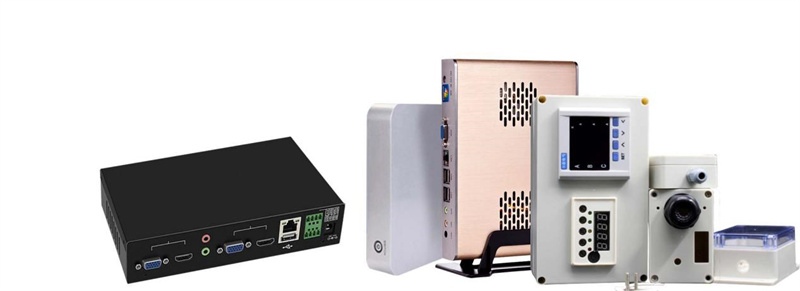
• Алюмінієві корпуси: гібридне виробництво методами CNC та обробки листового металу з підтримкою ШІ для індивідуалізованого виготовлення без дефектів.
• Пластикові корпуси: полікарбонат/АБС із модифікованим червоним фосфором, сертифіковано за стандартом UL94 V-0.
• Замовлення в одному екземплярі: низька початкова ціна, тривимірний онлайн-перегляд + розрахунок вартості за допомогою ШІ, скорочення терміну доставки на 50 %.
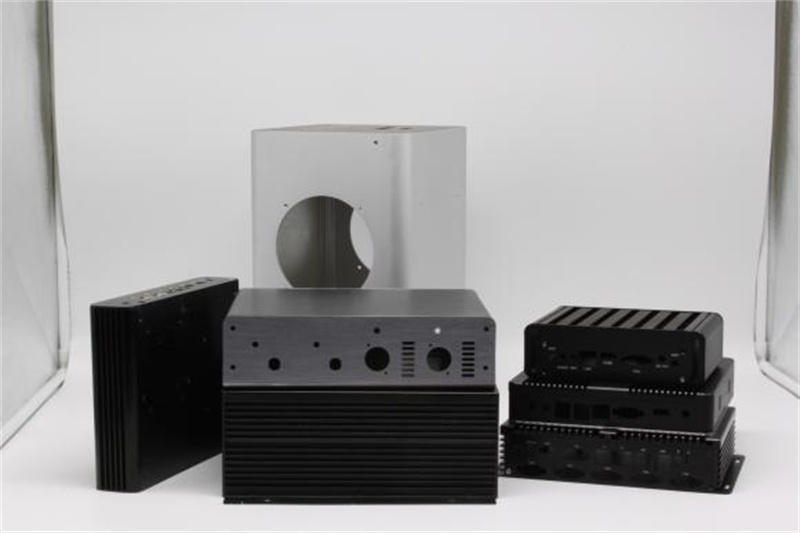
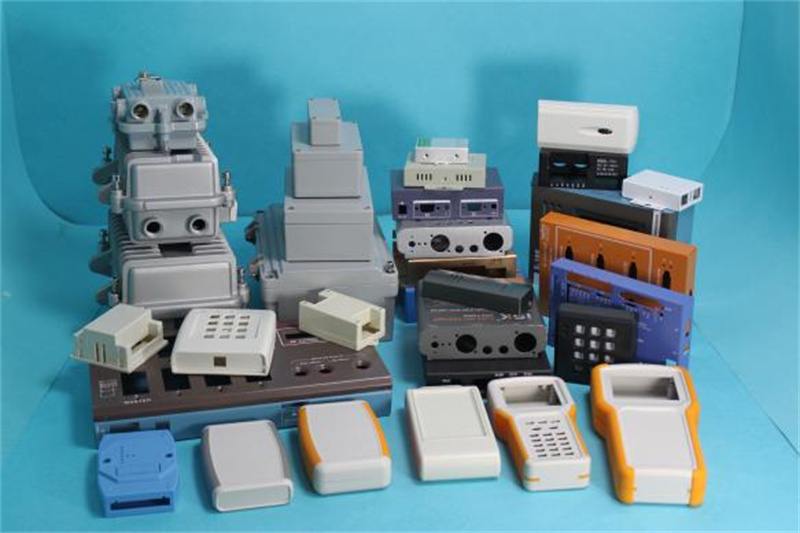
Алюмінієві корпуси домінують у екстремальних умовах завдяки міцності та тепловим характеристикам; пластикові корпуси переважають у легких бездротових IoT-застосуваннях. Пластифікатори на основі червоного фосфору з вогнестійкими властивостями та проектування за допомогою ШІ роблять обидва варіанти придатними для виробництва в одному екземплярі без дефектів. Незалежно від того, чи потрібні вам водонепроникні розподільні коробки зі ступенем захисту IP69K, чи розумні корпуси для мереж 5G, сучасні матеріали та технології готові до використання.
Відвідайте сайт www.hongfabox.com, завантажте свої CAD-файли для отримання безкоштовного звіту про симуляцію за допомогою ШІ або зв’яжіться з нами для розробки індивідуального рішення. У 2026 році очолюйте ринок — нуль дефектів починається з Hongfa.