

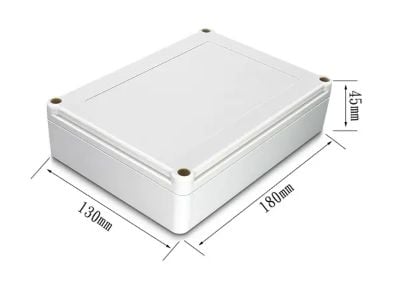
Choosing the right enclosure for your PCB projects is crucial for ensuring their functionality, durability, and overall performance. In this B2B guide to choosing between aluminum and waterproof plastic enclosure for PCB projects, we will explore key specifications, best practices, reliable sourcing options, material considerations, and common challenges you may encounter. Understanding these factors will enable purchasing managers, engineers, and product managers to make informed decisions that align with their project requirements and budget constraints.
Key Specifications to Consider When Selecting PCB Enclosures
When selecting PCB enclosures, several specifications must be evaluated to ensure compatibility with your project’s needs. Key specifications include:
Material Type: The choice between aluminum and plastic significantly impacts durability, weight, and thermal conductivity. Aluminum offers superior strength and thermal management, making it ideal for demanding environments. Plastic, on the other hand, provides lightweight options and better resistance to corrosion.
Dimensions: Precise dimensions are critical for ensuring that the enclosure fits the PCB and other components correctly. An enclosure that is too tight may cause stress on the PCB, while one that is too loose can lead to improper insulation.
Ingress Protection Rating (IP Rating): This rating indicates the enclosure's resistance to dust and moisture. For example, an IP67 rating means the enclosure is dust-tight and can withstand immersion in water up to 1 meter deep for 30 minutes. Consider the environmental conditions where the enclosure will be used.
Thermal Management: Evaluate the thermal requirements of your PCB. Aluminum enclosures often have better heat dissipation capabilities compared to plastic. If your application generates heat, ensure the enclosure can accommodate cooling solutions like vents or heat sinks.
Mounting Options: Consider how the enclosure will be mounted. Options may include DIN rail, wall-mount, or desktop configurations. Ensure that the selected enclosure provides the necessary mounting features for easy installation.
By carefully assessing these specifications, you can select an enclosure that meets both functional and environmental requirements.
Best Practices for PCB Enclosure Setup
Proper setup of PCB enclosures is essential to maximize performance and longevity. Here are some best practices:
Sealing and Gasket Selection: Use appropriate gaskets to ensure a tight seal against dust and moisture. The gasket material should be compatible with both the enclosure material and the operating environment.
Cable Management: Plan for cable routing to prevent strain on connections and to maintain cleanliness within the enclosure. Use cable ties and guides to organize wiring effectively.
Testing Fit and Functionality: Before finalizing the design, create prototypes or samples to test fit and functionality. Ensure that all components, including the PCB, connectors, and cooling solutions, fit within the enclosure without interference.
Thermal Testing: Conduct thermal tests to evaluate the enclosure's heat management capabilities. This is particularly important in applications where heat generation is a concern. Ensure that the enclosure can maintain acceptable temperatures for the PCB and components.
Accessibility: Design the enclosure for ease of access to components for maintenance and troubleshooting. Features such as removable panels or lids can simplify access without compromising the enclosure’s integrity.
Implementing these best practices will enhance the performance and reliability of your PCB projects.
Where to Source Reliable Suppliers for Aluminum and Plastic Enclosures?
Finding the right supplier is crucial for ensuring high-quality enclosures. Here are tips on sourcing reliable suppliers:
Industry Research: Begin by researching manufacturers that specialize in PCB enclosures. Look for companies with a proven track record, relevant certifications, and positive customer feedback.
Request Samples: Before making bulk purchases, request samples to assess quality and fit. Examine the craftsmanship, material quality, and finishes to ensure they meet your standards.
Customization Capabilities: Choose suppliers that offer customization options to tailor the enclosure to your specific needs. This may include modifications in dimensions, mounting options, or material finishes.
Lead Times and MOQs: Inquire about lead times for production and minimum order quantities (MOQs). Reliable suppliers should provide clear timelines and flexibility to accommodate your project schedule.
Quality Control Processes: Assess the supplier's quality control measures. A reputable manufacturer will have stringent processes in place to ensure every enclosure meets industry standards.
By following these steps, you can connect with weatherproof plastic enclosure suppliers who align with your quality and service expectations.
What to Look for in PCB Enclosure Materials?
The choice of material for your PCB enclosure is pivotal in determining its performance. Here are factors to consider:
Thermal Properties: As mentioned previously, aluminum is excellent for applications requiring efficient heat dissipation. In contrast, plastic may be more suitable for environments where insulation is critical.
Chemical Resistance: Evaluate the environment in which the enclosure will operate. Materials that resist corrosion and chemical exposure will enhance longevity. For instance, consider using ABS or polycarbonate for environments with potential chemical interactions.
Weight and Portability: If the application requires portability, lightweight materials such as plastic may be preferable. However, if strength and durability are paramount, aluminum is often the better choice.
Cost Considerations: While aluminum generally offers superior performance, it may also come at a higher price point. Assess your budget and weigh the long-term benefits of investing in a robust material against immediate costs.
Sustainability: Consider sourcing materials that are recyclable or produced sustainably. This is increasingly important for companies prioritizing environmental responsibility.
By understanding material properties, you can make informed decisions that align with your performance and sustainability objectives.
Common Problems with PCB Enclosures and Effective Solutions
Even with careful planning, issues can arise with PCB enclosures. Here are common problems and their solutions:
Moisture Intrusion: Ingress of moisture can lead to PCB damage. To combat this, ensure that your enclosure has a high IP rating and use proper sealing techniques with gaskets. Regularly inspect seals for wear.
Thermal Overheating: If the enclosure overheats, it can affect PCB performance. Consider adding ventilation or fans for cooling. Additionally, ensure that the enclosure is designed for optimal heat dissipation.
Mechanical Stress: Mechanical stresses during installation or operation can lead to PCB failure. Use appropriate mounting techniques, such as vibration dampening mounts, to reduce stress on the PCB.
Insufficient Space: Sometimes, enclosures may not provide enough space for components or wiring. Always verify dimensional specifications and consider future expansion needs when designing or selecting enclosures.
Poor Accessibility: If maintenance requires significant disassembly, it can lead to extended downtime. Design enclosures with easy access points for critical components to facilitate maintenance.
By anticipating these challenges and implementing effective solutions, you can enhance the reliability and performance of your PCB projects.
In summary, selecting the right outdoor plastic enclosures involves careful consideration of various factors, including specifications, materials, supplier reliability, and common challenges. By applying this guide, purchasing managers, engineers, and product managers can make informed, strategic decisions that contribute to the success of their projects.