

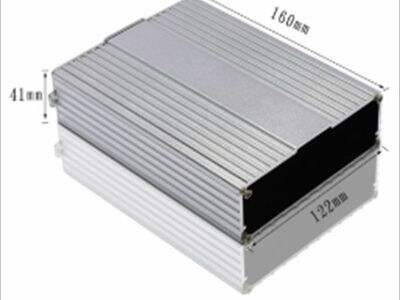
Sheet metal bending is an essential process for creating many of the metal products that we use. Unlike paper, when metal is bent, it doesn’t just fold; it stretches and compresses. The right bend is about understanding rules that keep the metal strong and the shape in place. One key concept is the Golden Rule, which can determine how much metal you should employ and the best way to bend it. If the bend radius (how sharp a curve) is too tight, the metal can crack or weaken. If it is too big, the part doesn’t fit as expected. Second, when you bend a metal it changes the length of the metal; so you want to know how much it is shortened with something known as bending deduction depth. In Hongfa Shunda, we pay attention to such details to ensure every piece of metal is the same as what our customers are expecting. Understanding the rules saves time, money and ends with a strong product
The Golden Rule in Sheet Metal Design for Wholesale Buyers explained
The secret formula to perfect metal parts There’s a super hero of bending sheet metal, and it is the Golden Rule in Bending! For wholesale buyers, that means being able to order parts that fit together court side every time without wasting metal or requiring extra fixes. When metal bends, one side (the outside of the bent material) stretches and the other side (the inside) compresses and the thickness of the bending radius determines how much stretching there is. If the radius is too small, the metal can crack or snap. If it’s too large, the bend will be off and may not fit in with other components. So, the correct bend radius is important. There’s more, when metal bends it shortens up over the bend line because the inside crumples down a bit. This is where bending deduction depth happens. It’s a guide to engineers how much length to remove before bending the flat metal so the resulting product is the right size. Think, for example, of folding a strip of paper: Where it is sharply folded the edge is shorter than where it has remained straight. The same is true of metal, but it involves a bit more math. Men and women ordering wholesale who are familiar with bending radius and deduction depth need not be surprised later by parts that do not fit or cost extra for rework. At Hongfa Shunda, we apply these rules to carefully plan each order. We assist buyers in figuring out what sizes to request and what they should see going into their finished metal parts. This makes buying in bulk smoother and can help keep prices fair. If you purchase sheet metal parts in bunches knowing these important bending details will make your life a wee bit easier, and it will most certainly save you some money
Source for Dependable Sheet Metal Bending When You Need to Place Bulk Orders
It’s not always easy to find a good sheet metal bending service for large orders. You want a company that has heard of the Golden Rule and applies it daily. Hongfa Shunda, we are no stranger to wholesale buyers and know what they care the most: accuracy, speed and trust. When you need thousands of metal parts, small errors can compound quickly. Which is why you need a partner who takes care to plan the bending radius and depth of bending deduction well before any metal is cut. This reduces waste, and remains cost-effective. Other locales, in bending the metal, don’t account for these nuances, resulting in cracks and wrap-arounds or parts that simply won’t fit, not cheap problems when you’re working a big order. Hongfa Shunda’s laborers are trained to address such challenges. We have sophisticated equipment and validate every stage from design to finish. And we also listen to our customers. If a customer requires an unusual bend or curve, we join forces to determine the ideal bend radius and deduction depth to ensure that the parts come out just so. And our factory can do high volume without slowing down or losing quality. This ensures that you receive your order well and ready for use. For those interested in order than sheet metal bending and looking for a smooth, efficient service need look no further than Hongfa Shunda. Strong experience pairs with careful planning so every metal bend is a good one. No surprises, only parts that work well, every time
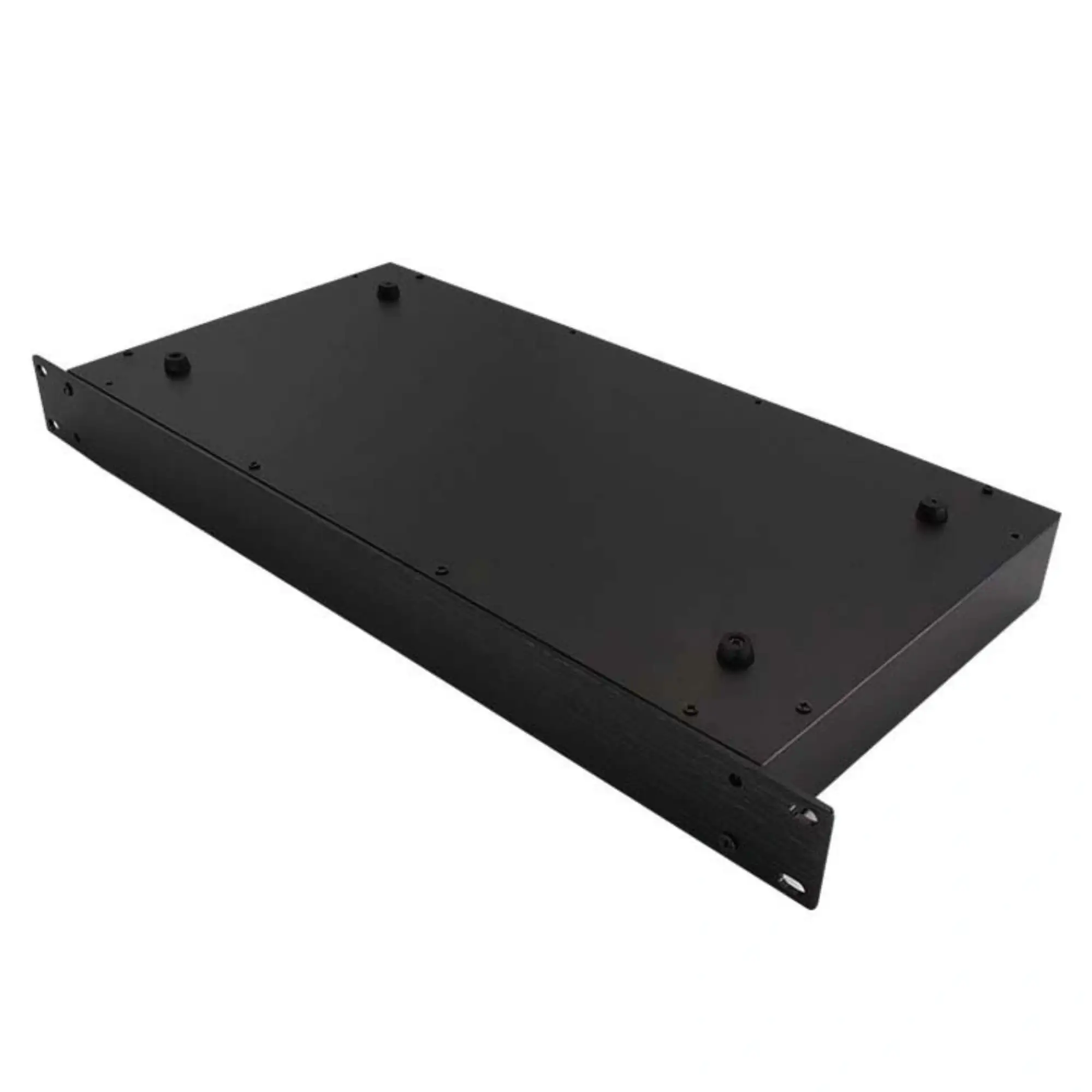
Sheet Metal Bending Mistakes and How to Solve them While Working with Sheet Metal in Mass Production
Bending is an essential step in sheet metal processing. But several individuals commit mistakes when they are done ordering either to put up a large wholesale quantities. These failures can result in metal parts with an incorrect size or shape, which might not fit or perform properly. A very common mistake is using an incorrect bending radius. The radius of bend is the size of curve where the metal is to be bent. If the radius is too short, the metal may crack or break from being bent at too sharp an angle. Otherwise, a large radius of curvature might fail to generate the correct bent shape or strength. Not understanding bending deduction correctly is an additional error. Bending deduction is the measurement of metal that appears to go away when metal is bent. If this is not calculated correctly, the resulting part size will be incorrect and may cause issues in the assembly or use of the product. We recognize that these mistakes can cause production to lag and amplify costs, so at Hongfa Shunda we invest in training our workers and applying accurate tools to prevent falling behind due to such issues. We also verify measurements before and after bending. Working with good machines and following the golden rule of bending radius and bending deduction enables us to make strong, precise metal parts every time. Wholesale manufacturing customers can rely on the fact that when their orders from Hongfa Shunda they will be done right the first time – which saves both time and money for you. Just remember in production of large quantities, with some good planning and fore-thought before you ever bend that piece, and well laid out dimensions to hinge to
Determining the Minimum Bending Radius for Sheet Metal In offering this information, we have as our goal a better understanding of the subject matter and not just answering questions
The curvature radius is particularly important in the molding of sheet metal. It’s the curve’s rounded edge where there is the bend in metal. Without the proper bending radius, for example, the metal may crack or lose strength. So that’s where knowing how to calculate the correct bending radius comes in, it can help ensure your metal part is strong and looks good. At Hongfa Shunda, we adhere to a simple concept: the bending radius should be equal at least as thick as the metal sheet. This prevents the metal from cracking as it's bent. Under some conditions of softness it is possible to use a smaller radius but better safe than sorry! Another method of determining the bending radius is by metal type. Other metals bend differently, such as steel or aluminum. The reason for this is aluminum can take a more acute radius because it’s softer, but steel requires a larger radius. Hongfa Shunda always ask for the metal type before bending so that it can select an economical but very satisfactory bend radius. Also the radius of bend influences the final geometry of part. Too big a radius and the bend is flat-looking end won’t work out with other bits. If it is too modest, the ride splits at the metal. The Proper Radius- Using the correct radius at a corner helps the sheet metal hold its shape under stress. In the end, bending radius is about understanding these variables:the metal thicknessmaterialtypethe shape that needs to be formed. Hongfa Shunda uses these basic principals to ensure every bent piece is both perfect and strong. When we sell products to wholesale buyers, they are purchasing metal parts with the optimal bending radius for long-term durability
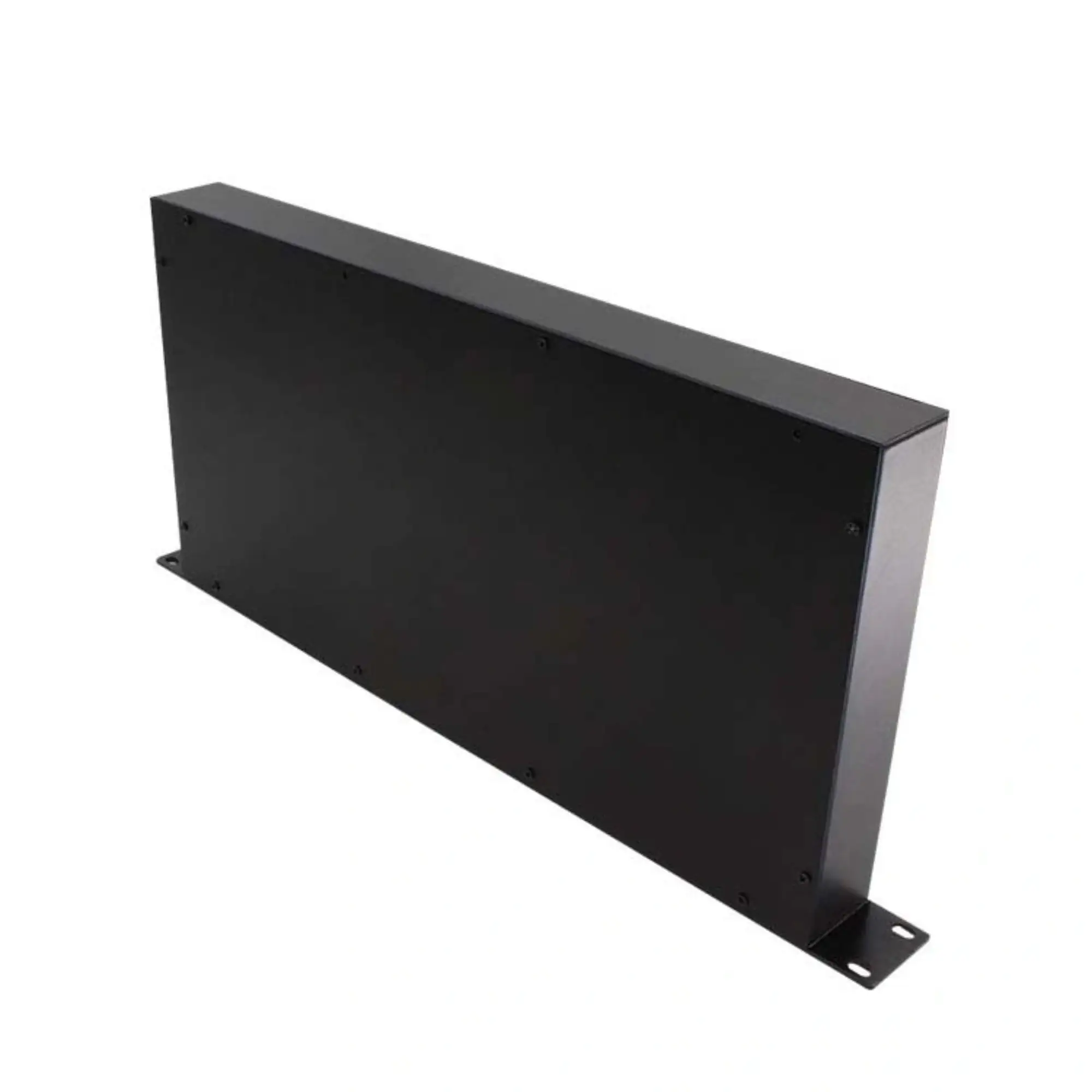
What Wholesale Buyers Should Understand Regarding Modulus Bending Deduction in Sheet Metal
Bending deduction is an important concept in sheet metal design that you get to know as a wholesaler. The metal stretches and compresses when you bend sheet metal. So the length of the metal changes for long distance along the bend. Bending deduction is a number that represents the amount by which metal seemingly disappears during bending. And it relaxes as much possible back to its original amount.”(If you don’t consider bending deduction, the final metal part might turn out too big or too small. This can lead to problems when assembling parts or using them in machines. Bending deduction Associates Hongfa Shunda In the case of bending and deduction is a length difference between a straight The sum of the lengths of each part after bending Before elongation metal full Exceed the length. To find the correct size, you subtract the bending deduction from its total length. This helps make it easier for us to cut the metal flat before bending so that we can get the final piece in the proper shape and size. The quantity of bending deduction is determined by the bending radius and the thickness of metal. A greater bending radius results in a larger bending deduction. And also, different metals stretch differently so the bending deduction changes with the type of metal. So wholesale buyers need to know that good sheet metal manufacturers even like Hongfa Shunda calculate bending deduction meticulously. We calculate the specific bending deduction through formulas and testing for each job. In this manner, the parts nest together perfectly every time, minimizing waste and cost. If buyers know about bending deduction, they can communicate more effectively with manufacturers and obtain more accurate quotations and delivery times. bending allowance is relatively minor, but it’s an essential aspect of making the sheet metal parts. Our dedication to this details is what makes Hongfa Shunda the right choice for all of your wholesale sheet metal needs -each part will meet and exceed customer specifications
Table of Contents
- The Golden Rule in Sheet Metal Design for Wholesale Buyers explained
- Source for Dependable Sheet Metal Bending When You Need to Place Bulk Orders
- Sheet Metal Bending Mistakes and How to Solve them While Working with Sheet Metal in Mass Production
- Determining the Minimum Bending Radius for Sheet Metal In offering this information, we have as our goal a better understanding of the subject matter and not just answering questions
- What Wholesale Buyers Should Understand Regarding Modulus Bending Deduction in Sheet Metal